Soar High: Exploring the Rich History and Craftsmanship of Traditional Chinese Kites
Kites have been part of human culture for centuries, serving as more than just toys that dance in the sky. The history of Chinese kites is rich and colorful, much like the kites themselves. Have you ever paused to consider the stories that unfold behind these vibrant pieces of art? Traditional Chinese kites are not just beautifully designed; they encapsulate centuries of history, craftsmanship, and cultural significance that continues to thrive today. In our exploration, we will unravel the threads that tie these cultural kites to the heart of Chinese traditions, and discover how kite flying has transformed from a simple pastime into a beloved family activity and an integral part of kite culture.
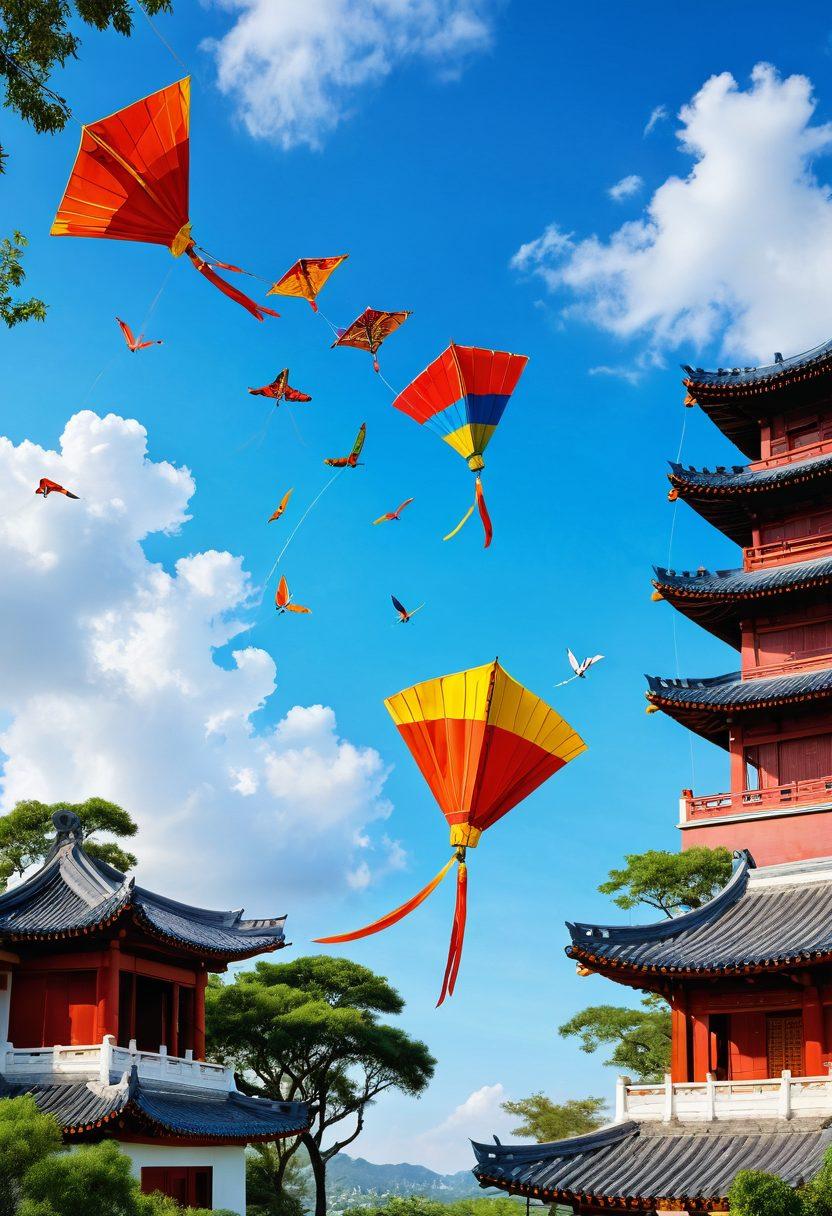
As we delve into the world of Chinese kites, it is fascinating to note that the kite has been a potent symbol of freedom and creativity. During the Tang Dynasty, kites took to the skies as a joyful expression of artistry and engineering. The kite designs, often inspired by animals, legends, and historical figures, tell tales of their own. Imagine a giant dragon kite soaring against the blue backdrop of the sky—every flap of its wings igniting the imaginations of kite enthusiasts everywhere. This artistic approach nurtured not only a sense of community but established kite flying as a cherished outdoor activity, bringing families together in spirited competitions at kite festivals.
One might wonder, what precisely makes a kite a significant piece of cultural heritage? The answer lies in its specifications, craftsmanship, and the stories told through kite making. Each handmade kite is a testament to dedication and skill, often crafted using traditional techniques passed down through generations. As kite makers select the fabrics and designs, they weave their personal tales into the fabric that ascends into the air. The wind dynamics that carry these colorful kites aloft also represent the delicate balance of nature—a relationship that embodies the essence of kite history. Can you envision the pride of a child as they witness their family kite launch into the air for the very first time?
The practice of kite flying transcends mere leisure; it has historically served purposes such as military signaling and meteorological observations. As we savor the moments of outdoor fun during family kite flying sessions, we unknowingly connect with our ancestors who revered these flight structures. It’s not just about kite tricks or dazzling displays; it’s about building memories and nurturing a love for adventure sports. Remember that exhilarating moment when a perfectly launched kite gracefully danced in the wind? That sense of connection between the flyer and the kite, amplified by the awe of wind dynamics, is what makes these experiences unforgettable.
As kite enthusiasts gather for kite competitions and festivals today, one thing remains clear: the cultural significance of kites endures. However, it is essential to ensure kite safety and respect for the environment while indulging in this engaging hobby. The trend of environmental kites, made from recycled materials, highlights how traditional kites can adapt to modern values. So, the next time you witness the sight of colorful kites dotting the horizon, take a moment to appreciate the legacy they carry—one of creativity, craftsmanship, and celebration that has found its way from the past into the present and will continue to inspire future generations. Ready to explore this enchanting world of kites together?
Mastering the Art of Kite Making: Techniques and Designs for Enthusiasts
Imagine a blue sky stretched wide, where colorful kites dance joyfully against the backdrop of white, fluffy clouds. The gentle tug of the string in your hand brings a sense of freedom that is hard to articulate. Kite flying isn’t just an outdoor fun activity; it’s a canvas for history, culture, and craftsmanship. In our journey into the world of traditional Chinese kites, we uncover the art of kite making that has delighted generations and continues to invigorate kite enthusiasts. So, how do you master this ancient craft and bring these cultural kites to life?
The skills involved in kite making are not merely technical; they are steeped in rich history. Traditional Chinese kites can be traced back over 2,500 years, and their designs reflect the values, stories, and creativity of different dynasties. Artists poured their souls into the intricate kite designs, often representing animals, mythical creatures, and even historical figures. Did you know the very act of flying these kites is believed to chase away evil spirits? When creating your own kite, think about the symbolism you want to carry into the skies. Each handmade kite can tell a story — what story will yours tell?
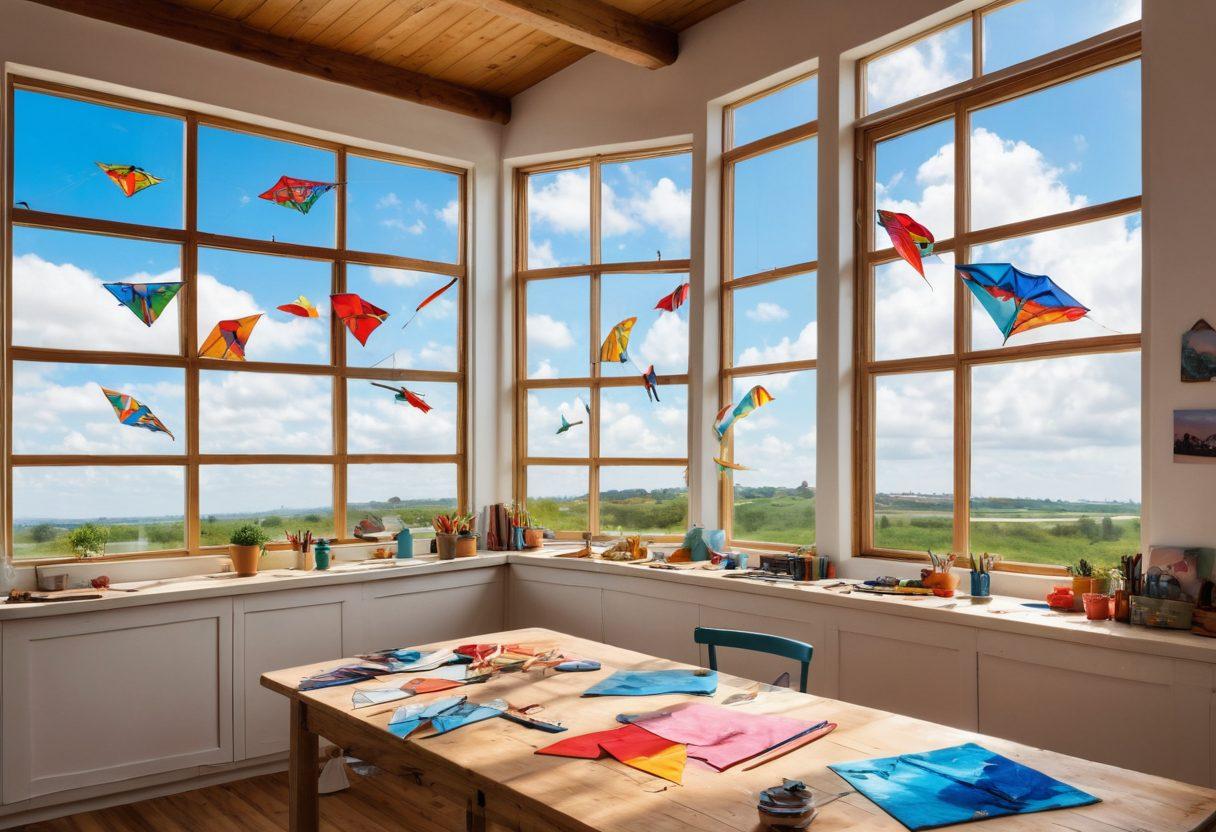
Kite craftsmanship involves understanding both the emotional and physical aspects of kite making. From selecting the right materials, like bamboo for structure and thin silk for sails, to understanding the aerodynamics of kites, there’s a science to the magic. Now, take a moment to reflect: why do some kites soar gracefully while others nosedive? The answer lies in wind dynamics and the specific kite specifications you choose. Experimenting with various shapes and designs can lead to remarkable outcomes. Perhaps you'll craft a dragon that glides effortlessly or a whimsical butterfly that flutters with ease. The possibilities are endless, and there’s nothing quite like the satisfaction of a successful kite launch after hours of dedicated work.
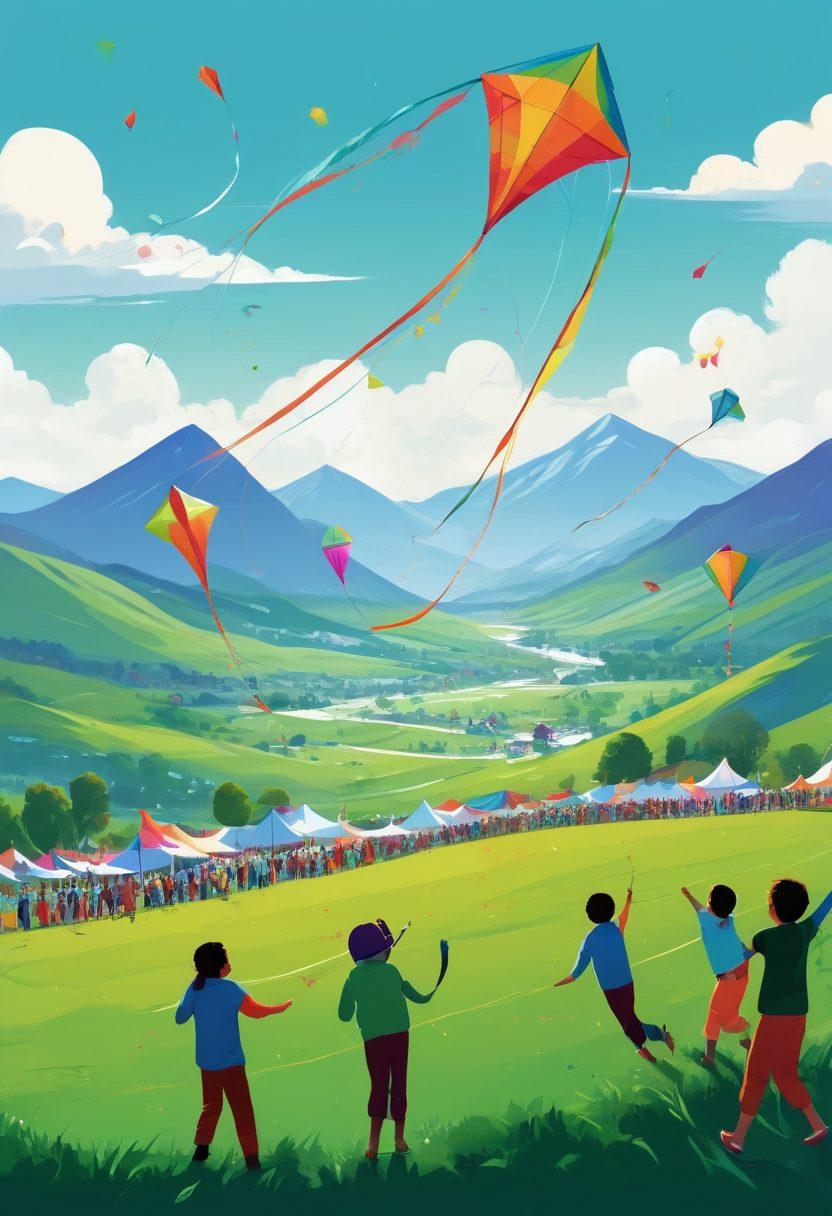
Kite festivals are vibrant celebrations filled with laughter, competition, and the thrill of watching others' artistic kites take flight. When kite enthusiasts gather, it’s not just about winning competitions or performing impressive kite tricks; it’s about sharing the love of kite culture and fostering community spirit. Each colorful kite represents the hard work, creativity, and passion of its maker. As you engage in family activities at these festivals, remember to encourage the spirit of exploration. Use this opportunity to learn from others – from unique kite designs to innovative kite-making techniques. After all, what could be more rewarding than sharing stories and knowledge with fellow kite lovers?
As we dive deeper into the world of kites, consider incorporating eco-friendly practices into your kite making. Environmental kites that utilize sustainable materials not only help protect our planet but also inspire a newer generation of kite makers. Embrace this notion of adventure sports where every flight allows you to connect with nature while sharing the cultural significance of kites. So gather your family for a kite-making session this weekend. Share laughter, insights, and transform your backyard into a vibrant kite flying arena. Who knows? You might just ignite a lifelong passion for this beautiful, sky-bound art form.
From Festivals to Competitions: The Thrill of Kite Flying Adventures
There’s something magical about the sight of a colorful kite dancing in the sky, isn’t there? If you’ve ever been to a kite festival, you know the thrill that accompanies that exhilarating moment when a kite launches into the azure. In the realm of outdoor activities, kite flying stands out not just for its artistic designs and vibrant colors, but for its steep roots in cultural significance and history. As we explore the thrilling adventures from festivals to competitions, we uncover the delightful world of traditional Chinese kites—the craftsmanship, the creativity, and the communal joy that comes with kite flying.
Imagine a windy afternoon filled with laughter, the playful tug of string between family members, and the sweet anticipation of launching your very own handmade kites into the sky. Kite flying is not merely an outdoor fun experience, it's a treasured family activity that transcends generations. This notion echoes in the hearts of kite enthusiasts as they skillfully engage with the wind dynamics, bringing life to their colorful kites. Each string pull is a step closer to sharing the joy of kite culture, creating unforgettable memories with loved ones while learning the intricate art of kite making.
But the adventure doesn’t stop at family kite flying! It extends to kite competitions where skilled flyers navigate their kites through the air with precision and artistry, showcasing their expertise in kite tricks and race dynamics. These competitions offer thrilling sights, sprinkled with cheers of enthusiastic spectators watching vibrant historical kites compete for the title of the best. From kite specifications to the aerodynamic studies of kites, competitive flying reveals the craftsmanship and professionalism inherent to those drawn to this exhilarating sport. The adrenaline rush paired with a sense of community creates a unique blend of adventure sports unmatched by other hobbies.
Kite festivals are a celebration of culture—a spectacle where colorful kites throw hues across the sky, originating from a rich kite history that began thousands of years ago in China. These gatherings invite families, friends, and kite lovers alike to come together in the spirit of fun outdoor hobbies. As you witness these artistic kites coming to life above you, it’s hard not to feel connected to a greater narrative. The stories behind these cultural kites often reflect local traditions and artistry unique to different regions, adding layers of meaning to what might first just appear as simple toys flying high.
Ultimately, whether you’re immersing yourself in the rich traditions of kite craftsmanship, preparing for a friendly competition, or just enjoying a leisurely outdoor afternoon with your family, the culture of kites provides something for everyone. So, why not take a chance? Grab some materials, ignite your creativity, and try your hand at kite making. Explore the wide array of kite designs and find your niche within this fascinating hobby. Remember, the sky is not the limit; it’s your canvas! After all, in the words of a wise kite enthusiast, 'The wind is our friend; we just have to learn to dance with it.'